
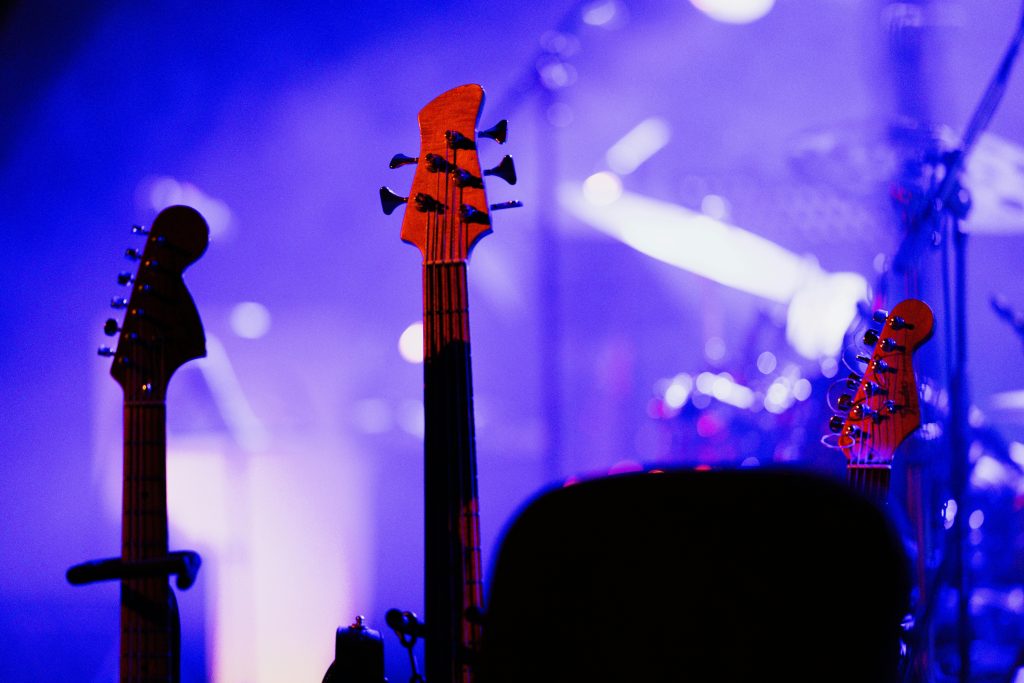
Music invites us into something much bigger than a melody, is an opportunity for transformation and human connection. We can say that the main impact of music is that it connects people emotionally, socially, and culturally. Music is everywhere and has the power to build bridges between peoples. But it’s not only that, it’s also a societal impact tool with the capacity to activate social networks, generate employment, preserve identities, and strengthen local cohesion.
Impact of Music in Cultural Heritage
The first key societal impact of music is that is a very relevant for the creation of cultural heritage. As, UNESCO defines intangible cultural heritage as the set of practices, knowledge, and expressions that communities recognize as part of their collective identity, traditional music is part of this set, along with other expressions such as dance, rituals, and oral storytelling.
Musical heritage encompasses repertoires, styles, and forms of performance that have a shared cultural significance. They are expressions closely linked to the history, values, and social dynamics of a community. This type of music helps to define a community. Through its repertoire, a society conveys how it sees itself, what it values, and how it interprets its history. Many local repertoires include direct references to ways of life, celebrations, social relationships, or shared spaces. They encode languages, customs, and collective emotions that are not usually present in other cultural channels.
It also acts as a collective memory. Songs, couplets, and lullabies capture episodes not recorded in official archives: displacements, local struggles, losses, or community joys. Music allows this memory to be heard, remembered, and shared. It’s a force that can help people find comfort in knowing that others have been there as well and have grown from their experiences.
Connecting through music
Besides heritage, in general, music can act as informal social infrastructures that articulate relationships and strengthen the relational network of the local environment.
This can be seen in intergenerational relationships – Participation in musical groups, workshops, or collective rehearsals fosters regular contact between generations-; linkage of local networks -organizing musical activities (festivals, training courses, open rehearsals) requires coordination among multiple stakeholders in the region-; and shared spaces and community activation -music helps reactivate underutilized spaces (squares, community centers, neighborhood halls) and give them a specific function: mobilizing the social fabric-; as well as for education -many songs have profound messages to educate their listeners on certain topics.
All around the world, music allows people a sense of community. It imposes a feeling of comfort on the individual, connecting them to the world. Though music may not seem that important on a surface level, one song might make a difference in how someone feels for the rest of their day, week, or maybe even their life.
The economic processes that music activates
But it’s not only about the cultural impact of music. Music initiatives, especially local ones, activate specific economic processes. Direct Employment, for example. Projects such as bands, festivals, or music schools require Musicians, performers, and teachers; Sound and lighting technicians; Production, assembly, and logistics personnel.
There are also relevant impacts on other sectors associated. Hospitality and accommodation for events and training sessions; Local crafts (luthiers, costumes, graphic design); Transportation, technical services, and food; to name some.
Another relevant impact is the creation of cultural microeconomies through a music initiative. Small productive networks based on culture are developed: Music production cooperatives; Family-run cultural services businesses; Joint training, dissemination, and creative projects.


