
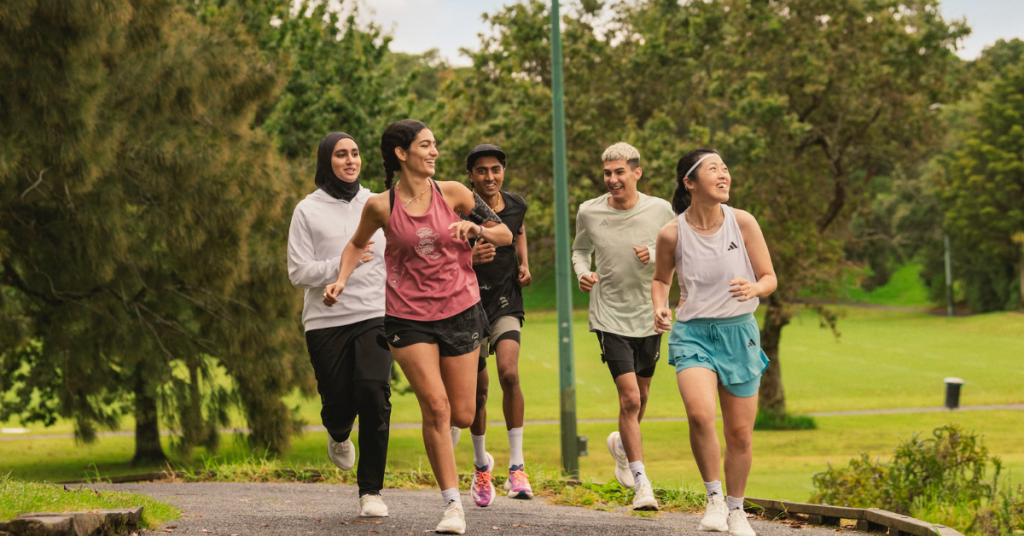
Sports are an integral part of any society. It serves as a platform for entertainment, socialization, and competition. We may not realize it, but it also helps in shaping societal norms and values. As Nelson Mandela said, “Sport has the power to change the world. It has the power to inspire, the power to unite people in a way that little else does”.
The societal impact of sports
There are a lot of ways in which sports have a deep societal impact.
In general, sports strengthen community bonds, as it fosters a sense of community and social connection and develops social skills and promote teamwork, especially for young people.
Regarding marginalized groups, sports can serve as a tool to promote social inclusion. t helps strengthening the integration of immigrants in their new communities, as it can reduce the barriers between them and the local population. When a community is engaged in sports, social barriers are broken, stereotypes are challenged and marginalized populations are empowered.
Also, sports can be used as a platform for social advocacy. Awareness can be raised about social issues. Especially in the case of famous athletes and organizations in sport, they can use their voice for social justice and promote change. Also, thanks to the media coverage for sporting events, it can have the the capacity to make minority and/or marginalized communities visible. The Olympic and Paralympic Games, for example, help to raise awareness of the issue of disability.
Sports itself is not enough: the need to direct sport towards a positive social impact
However, sports itself don’t lead to a positive societal impact. There are a few limitations to consider to achieve this goal. For example, regarding the positive awareness it can create, there is a need for a sustained engagement; a lot of one-off gestures or publicity washings are part of the sports environment.
The relationship between sports and social impact is complex and multifaceted. To promote a positive societal impact, we can control the power of sports to drive positive change and create a more just and equitable society. It’s a commonplace to think that sports can solve societal problems; sport is a social fact. To make a tool that can effectively act in favor of inclusion, gender equality, health or even the environment, it will depend on the way in which it is used and the objectives pursued, and not on its supposedly positive nature.


