
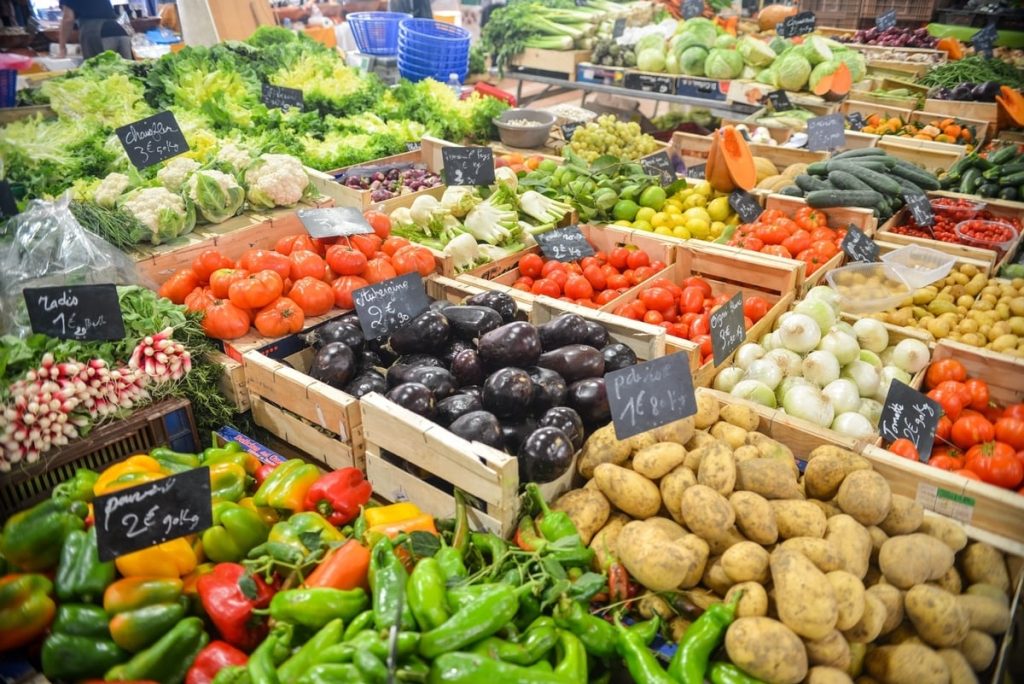
Proximity Food can be defined as a supply chain network that draws upon the geographical and relational proximity that exists among stakeholders. They seek to reduce the geographical distances between consumers and producers; its main features are the shorter geographic distances, fewer intermediaries and stronger relationships between producers and consumers
Its an alternative to the industrial global supply chain of food that has increased the physical distances (food miles) that food travels before reaching consumers; disconnected food from its social, cultural, and geographical context; and widened the socioeconomic distances between stakeholders.
Which are the main societal impacts of proximity food?
Proximity food allows the development of networks in the food supply chain that generate greater added value for their products. This also applies to different stakeholders: consumers get involved in purchasing healthy, high-quality food items produced using socially responsible practices; and policymakers can see how proximity food creates new opportunities for farms and territories struggling to compete in the global marketplace.
When we talk about network, we also mean the reconnection of farmers with the territories in which food is produced and the reunion of consumers with their local food. Proximity food allows for the development of food exchanges between producers and consumers who belong to the same community. In addition, the direct ties that exist between farmers and their clients are strengthened; also through the efforts of other groups capable of activating proximity, such as specialized wholesalers, cooks, processors, and logistics providers. The goal is to shorten the distances created by the industrial food system.
The ties that are developed go beyond an exchange, there is an emotional component about it. Relationships between farmers, suppliers, and consumers are built on trust—trust that the food is fresh, ethical, and sustainable. In challenging times like these, bonds like that become even more relevant.
Proximity food can generate a deep socioeconomical positive impact. For example, farmers are less exposed to market risks since they contend with fewer middlemen and are in a better position to set their own sales prices, which allows them to create more equal relationships with clients.
Also, it can be the driver of territorial development by creating jobs, enhacing the value of local products and increasing a the territory appeal.
Another impact of proximity food relates to sustainability and environmental impact. In a short supply chain, sustainable ways of delivering food to consumers via different food system stakeholders are developed. Seasonal products consumption is encouraged; food miles are reduced and biodiversity is increased.
In that sense, to achieve this innovation is required; and proximity drives it. Collaboration between local farmers, businesses, and governments can transform regional food systems. For example, initiatives like short supply chains or farm-to-fork programs are reshaping how we think about sustainability.
Also, innovation can help in solving the challenges that proximity faces. Since there are certain products must be transported globally to meet consumer demand – coffee, cocoa, and certain fruits and vegetables are grown in specific regions and require global distribution -, to address this, other ways to “shorten” global supply chains are promoted: food supply chains brigdge the distance challenges through information sharing tools such as certification labels and traceability alternatives built on technology. Innovation plays a key role here; for example, blockchain and advanced tracking systems enhance traceability and transparency in global supply chains.
Is the impact broad?
There are certain issues to keep in mind when thinking about proximity food. Sometimes the networks that proximity develops are difficult to enter; most of customers are middle class, highly educated, and have specific expectations and farmers in some cases don’t have the resources or skills to interact appropriately with them. Also, participating in proximity food means more workloads for farming, especially in the distribution area. To achieve a broad societal impact, these challenges need to be taken into account; since the main goal is to reduce food insecurity and inequalities.


