
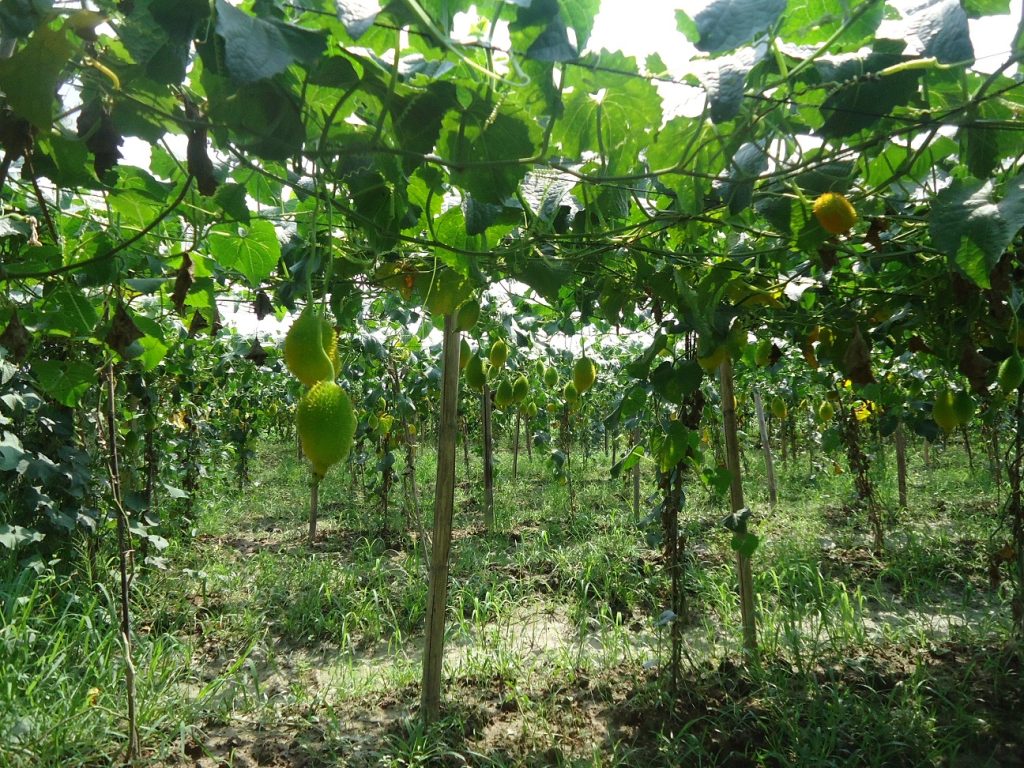
Sustainable agriculture plays a critical role in protecting and enhancing the environment in which food is produced; it encompasses practices that prioritize environmental resilience, economic viability, and social equity. Also, it address demands, while simultaneously safeguarding the potential of future generations to fulfill their needs; this can be seen in the aim to minimize negative impacts on the environment and human well-being and to maximize the utilization of local ecosystem resources, and conserve diversity.
In a world context of population growth – world’s population projected to reach 9.8 billion by 2050-, there is an urgent need to sustainably increase agricultural production, improve the global supply chain, decrease food waste, and ensure that all who are suffering from hunger and malnutrition have access to nutritious food.
Also, there are a lot of expected climate changes that could affect temperature, precipitation and pests. Building resilience –a key concept for sustainable agriculture- of local food systems will be critical to averting large-scale future shortages and to ensuring food security and good nutrition for all.
Sustainable agriculture: resilience, economic development and social equity
A main benefit of sustainable agriculture that covers key areas is that it brings resilience.
Sustainable practices enhance resilience to droughts, floods, and extreme weather events, ensuring the availability of food even in the face of climate challenges. For example, soil conservation practices, such as crop rotation, cover cropping, and agroforestry, help maintain soil fertility, prevent erosion, and improve water infiltration. These practices safeguard the long-term productivity of agricultural land, ensuring the availability of fertile soils for future generations.
This resilience of sustainable agriculture can be translated into practices that are positive for the environment. Preserving biodiversity helps maintain ecological balance, improve ecosystem services, and enhance the resilience of agricultural systems to disease outbreaks and pest infestations. As well, climate-smart agricultural practices, such as agroecology, precision farming, and conservation agriculture, help reduce greenhouse gas emissions, enhance carbon sequestration, and improve water management. The protection of the environment means the protection of the availability of food for present and future generations.
Also, from an economic point of view, in the case of market fluctuations, the increase of resilience reduces production risks and improves their livelihoods.
This brings us to another key benefit of sustainable agriculture: economic development and social equity.
Sustainable agriculture fosters local economic development by creating employment opportunities in rural areas, reducing dependency on external inputs and supporting local markets. It also plays a relevant role in the promotion of social equity and inclusivity within food systems by emphasizing the importance of fair and equitable distribution of resources, knowledge, and benefits across different actors in the food value chain.
Moreover, sustainable agriculture emphasizes the importance of local food production and short supply chains. Community-based initiatives, such as community gardens and farmer cooperatives, are integral components of sustainable agriculture. These foster social cohesion, knowledge sharing, and collective decision-making, empowering communities to take ownership of their food systems.
However, the path to develop sustainable agriculture practices poses significant challenges like the substantial costs involved in transitioning, conflicts in policy objectives, and the pervasive influence of traditional methods
Diverse tools can help to accelerate the approach towards sustainable agriculture, these include agroforestry, agroecology, urban agriculture, farmer knowledge exchange, ecosystem service payments and supply chain shortening.
The exchange with farmer traditional knowledge is key in this regard. Many elements of it, enriched by the latest scientific knowledge, can support productive food systems through sound and sustainable soil, land, water, nutrient and pest management, and the more extensive use of organic fertilizers.


